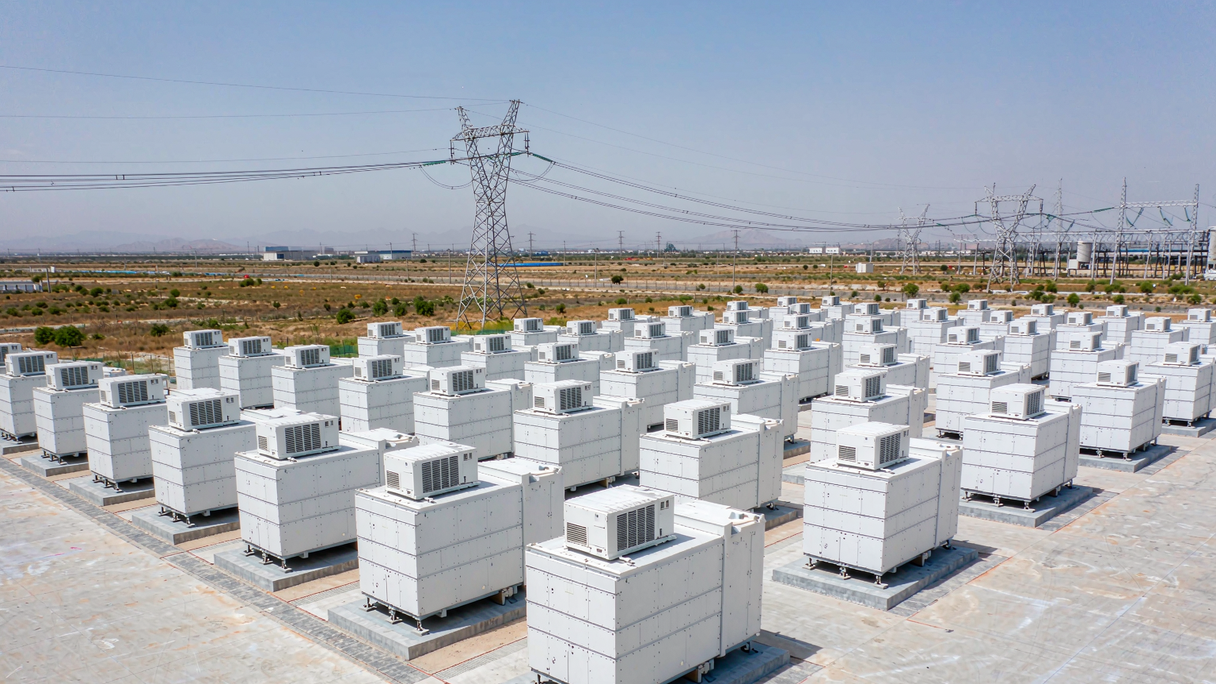
Foreign media report (Financial Express, India): per the September 11 report, state-run NTPC (National Thermal Power Corporation), India's largest power utility, has issued a global expression of interest (EOI) to develop and install a grid-connected sodium-ion battery energy storage system (BESS) pilot, stepping up its evaluation of alternatives to lithium-ion. The pilot will be set up at existing NTPC thermal power stations or office buildings to assess technical performance, safety, reliability, degradation, operating characteristics and techno-commercial viability under Indian grid and climatic conditions. NTPC noted that India has 'limited domestic availability of commercially exploitable lithium resources' and depends substantially on imports for cells and certain raw materials, while sodium is abundantly available and the technology could reduce dependence on lithium and other critical materials, opening possibilities for a more indigenous storage supply chain.
The EOI offers two configurations: a 100 kWh usable-energy pilot BESS intended to provide a common basis for comparing technologies, and a proposer-defined capacity based on the applicant's technology, standard configuration and demonstration requirements. On technology readiness levels (TRL): TRL 4-5 proposers must contribute at least 50% of total project cost; TRL 6 and above carry no mandatory minimum contribution; proposals below TRL 4 will not be considered. The pilot will also assess cost, scalability, indigenous manufacturing potential and long-term performance to inform NTPC's specifications for future demonstration or commercial projects. Bids close October 15, 2026, with responses opening October 16. As background, NTPC Group has 91,080 MW installed capacity with more than 37 GW under construction, targets 149 GW by 2032 (including 60 GW renewables), and generated 432 billion units in FY26, about 24% of India's electricity (figures as per source).
With India's domestic sodium-ion cell manufacturing capability nearly blank, technical validation, system integration and equipment supply in the pilot phase will likely be open to global suppliers - a potential entry window for Chinese sodium-ion cell makers and integrators, subject to India's localization requirements and trade-barrier evolution.