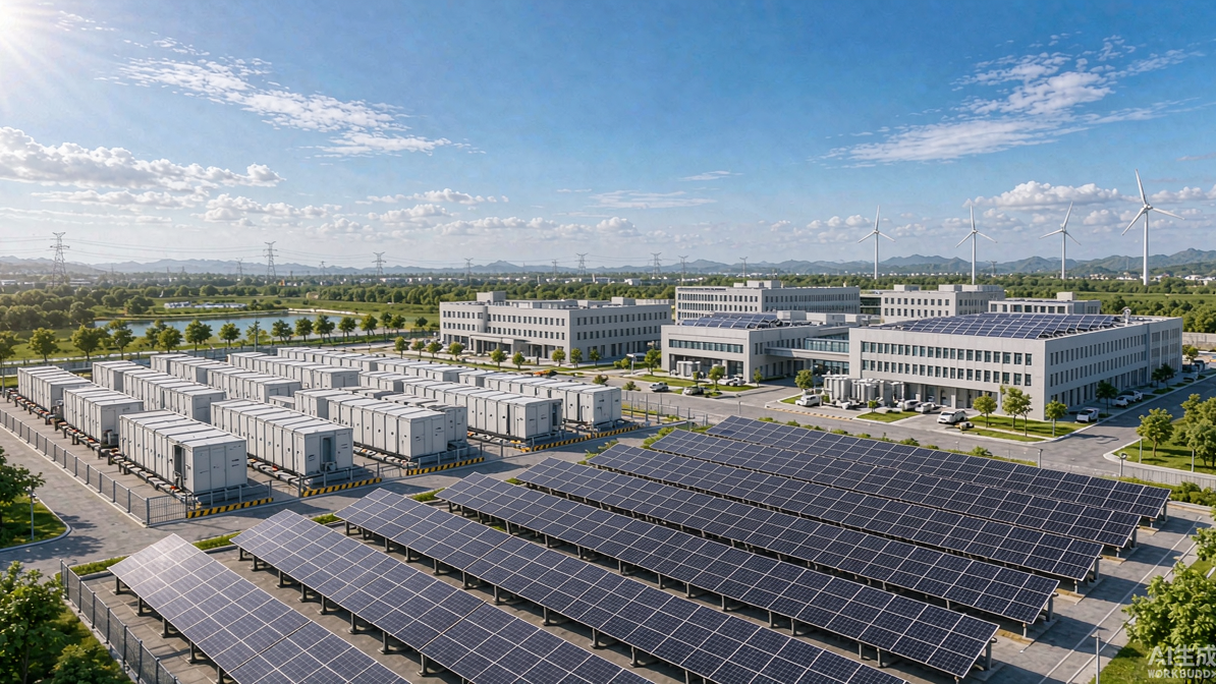
Overseas media report (Sodium Battery Hub, August 29, 2026): sodium-ion and zinc batteries are becoming new options for storage projects with high HVAC costs. Citing Solar Power World, some sodium-ion systems can operate across -40°F to 140°F (about -40°C to 60°C) without output degradation; with this wide temperature range, some projects can reduce or even eliminate HVAC equipment, lowering capex, O&M costs and parasitic power consumption and improving net project economics, especially in cold regions. Zinc batteries appeal to buyers valuing simpler siting and lower fire risk. The article cites an example: the University of Minnesota Morris plans a 1MW/6MWh zinc storage system (Eos Z3 platform, owned and operated by Otter Tail Power, expected grid connection in 2027, approved by the Minnesota Public Utilities Commission in March 2026).
The article also reviews sodium industrialization progress: citing Solar Power World, manufacturers are rapidly scaling designs and building order books; ESS Inc. Plans to release its first grid-scale sodium product in 2027 targeting the 2-8 hour segment; per IEA data, LFP accounted for about 80% of global new battery storage capacity in 2023; Morgan Stanley Research estimates sodium deployment share of about 2% in 2027, 20% by 2030 and 37% by 2035; on chemistries, sodium chromium oxide (NCO) targets higher energy density while NFPP focuses on lower manufacturing cost.
This is an analysis piece with arguments sourced from Solar Power World and Morgan Stanley - a industry review; share forecasts are institutional projections with wide variance (e.g., Galaxy Securities forecasts 2026-2028 sodium shipments of 25/92/221GWh domestically); zinc and sodium are different chemistries, and the article's parallel analysis does not make them the same market.