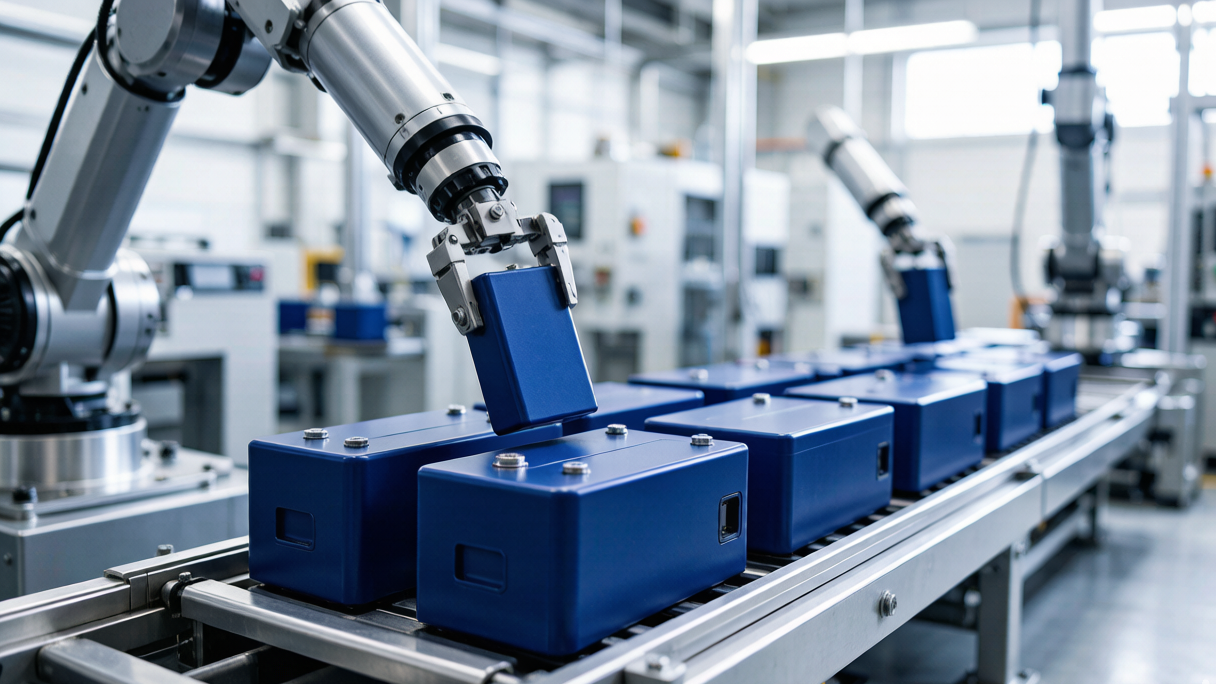
According to Chuanyi Technology's (002866.SZ) 2026 semi-annual report (published on cninfo.com.cn on August 15, 2026), the company's sodium-ion battery business achieved revenue growth during the reporting period. By product segment, "sodium-ion battery systems and related materials" generated revenue of RMB 21,484,364.66 (approximately RMB 21.48 million) in the reporting period, accounting for 2.07% of total revenue, versus RMB 10,992,123.36 (1.09% of revenue) in the same period last year, up 95.45% year-on-year. During the reporting period, the company's sodium-ion cells, cathode/anode materials, electrolyte, and sodium-ion PACK products for electric two-wheelers were all in small-scale commercial sales. Total revenue for H1 2026 was RMB 1.04 billion, up 3.32% year-on-year.
From a company background perspective, Chuanyi Technology (002866.SZ) is a consumer-electronics components listed company based in Yangzhou, Jiangsu, whose main business is laptop keyboard, touchpad and flexible printed circuit (FPC) components (97.93% of revenue); sodium-ion batteries represent a second growth curve it has been building since 2021. The semi-annual report discloses that its sodium-ion cathode materials cover both mainstream routes of layered oxide and polyanionic compounds, while anode materials adopt the mainstream hard carbon technology with a self-developed biomass-precursor preparation method.
The company maintains an integrated R&D and manufacturing route covering cells, cathode/anode materials and electrolyte. Meanwhile, the report explicitly warns in risk disclosures that lead-acid batteries still hold a cost advantage over sodium-ion batteries, downstream customers have long acceptance cycles, and the company faces the risk of slower-than-expected market expansion in the electric two-wheeler segment; a number of companies in the industry have planned multi-GWh sodium-ion capacity, and if capacity is released in a concentrated manner without matching demand growth, product prices and profitability could decline.
All figures are from the company's semi-annual report and have not been independently verified; there is a clear gap between "small-scale commercial sales" and large-scale mass production; and the risk factors the company itself lists — lead-acid cost advantage, downstream acceptance cycles and concentrated industry capacity release — all indicate that sodium-ion two-wheeler commercialization is still at an early stage.