On August 3, the National Development and Reform Commission and the National Energy Administration released the 15th Five-Year Plan for New Power System Construction (Fagai Nengyuan [2026] No. 942), dated July 21, 2026. The plan deploys key tasks around a green and low-carbon power supply mix, a main-transmission/distribution/micro-grid coordinated network, coordinated demand-side development, enhanced system regulation capacity, and secure and sufficient power supply, with a strategic goal of initially building a new power system by 2030.
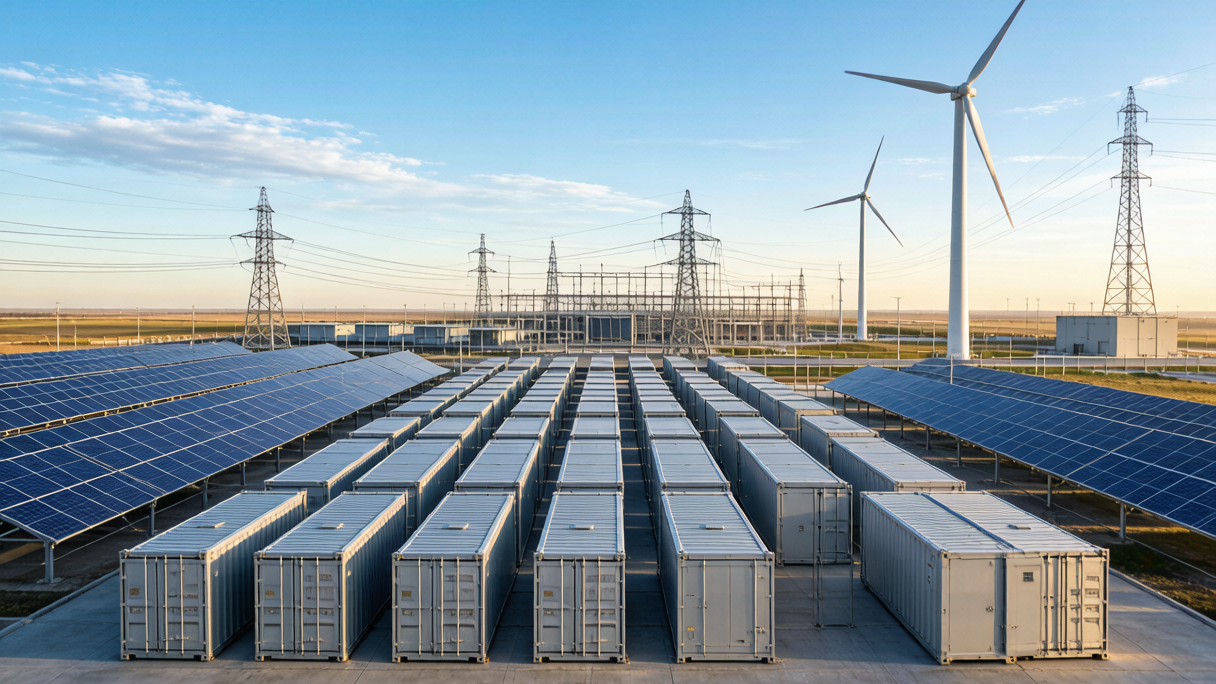
Storage-related quantified targets include: about 300 GW of new-energy-storage installed capacity nationwide by 2030, with about 160 GW added during the 15th Five-Year Plan period; about 140 GW of grid-side standalone new-energy storage able to serve peak-load support; about 160 GW of pumped-storage capacity by 2030; virtual power plants with maximum regulation capacity exceeding 50 GW; and vehicle-to-grid aggregated adjustable charging capacity of about 50 GW. The plan also sets targets such as non-fossil generation accounting for 50% of total generation and total installed capacity reaching 5.4 TW by 2030.
The scale target for new-energy-storage creates policy-driven demand expectations for multiple storage technologies, including sodium-ion batteries. China’s new-energy-storage market is currently dominated by lithium-ion batteries; sodium-ion batteries are in the early stage of industrial scale-up, with wide-temperature operation, safety and abundant resources positioning them mainly for large-scale storage and low-speed mobility. In July 2026 the Ministry of Finance, the GAC and the STA confirmed an excise-tax exemption for sodium-ion batteries from September 1, 2026 to December 31, 2028, forming a policy combination with this plan. However, the plan itself does not specify technology routes; the share of each storage technology within the 300 GW target will depend on cost, cycle life, safety and project-validation progress.
It is not yet possible to infer a sodium-ion installation share from this plan, and plan targets should not be converted directly into company orders.